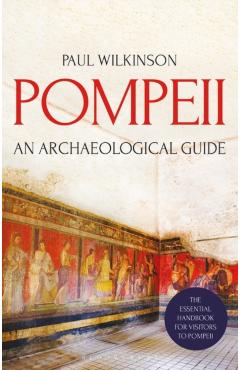
Pompeii: An Archaeological Guide - Paul Wilkinson
Cod EAN 9781350129399
Preț
144,80 lei
160,89 lei
−10%
Fără reducere reală
Cel mai mic preț din cele 9 zile dinainte de 22 octombrie 2026 a fost 128,71 lei, mai mic decât acum. Reducerea de −10% e calculată față de prețul vechi afișat de magazin (160,89 lei).
Peste prețul mediu din ultimele 29 de zile
Media: 144 lei. Cel mai mic preț a fost 128,71 lei, ultima dată pe 21 octombrie 2026; acum e cu 13% mai mult. Vezi istoricul
la Libris
- Transport gratuit peste 135 lei
- Cupon de 10% la abonarea la newsletter
- Retur extins la 30 de zile
În stoc la Libris Prețuri actualizate la 22 octombrie 2026, 16:11
Oferta disponibilă
Prețurile și disponibilitatea sunt preluate automat de la magazine și se pot schimba. Când cumperi printr-un link de pe site, putem primi un comision de la magazin, fără niciun cost în plus pentru tine. Cum funcționează
-
 Pompeii: An Archaeological Guide - Paul Wilkinson
În stoc
144,80 lei
Cel mai mic preț înainte
160,89 lei
Istoricul prețului
| Perioada | Cel mai mic | Cel mai mare | Prețul mediu | Scăderi |
|---|---|---|---|---|
| De când îl urmărim (29 de zile) | 128,71 lei | 144,80 lei | 144 lei | 1 |
Vezi schimbările de preț
| Din data | Cel mai mic preț |
|---|---|
| 22 octombrie 2026 | 144,80 lei |
| 20 octombrie 2026 | 128,71 lei |
| 13 octombrie 2026 | 144,80 lei |
Descriere
\nThe resonant ruins of Pompeii are perhaps the most direct route back to the living, breathing world of the ancient Romans. Two million visitors annually now walk the paved streets which re-emerged, miraculously preserved, from their layers of volcanic ash. Yet for all the fame and unique importance of the site, there is a surprising lack of a handy archaeological guide in English to reveal and explain its public spaces and private residences. This compact and user-friendly handbook, written by an expert in the field, helpfully fills that gap. Illustrated throughout with maps, plans, diagrams and other images, Pompeii: An Archaeological Guide offers a general introduction to the doomed city followed by an authoritative summary and survey of the buildings, artefacts and paintings themselves. The result is an unrivalled picture, derived from an intimate knowledge of Roman archaeology around the Bay of Naples, of the forum, temples, brothels, bath-houses, bakeries, gymnasia, amphitheatre, necropolis and other site buildings - including perennial favourites like the House of the Faun, named after its celebrated dancing satyr.
Descrierea este preluată de la magazin.