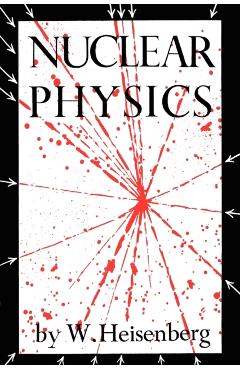
Nuclear Physics - W. Heisenberg
Cod EAN 9780806530338
Preț
100,44 lei
111,60 lei
−10%
Fără reducere reală
Cel mai mic preț din cele 9 zile dinainte de 22 octombrie 2026 a fost 89,28 lei, mai mic decât acum. Reducerea de −10% e calculată față de prețul vechi afișat de magazin (111,60 lei).
Peste prețul mediu din ultimele 27 de zile
Media: 99,61 lei. Cel mai mic preț a fost 89,28 lei, ultima dată pe 21 octombrie 2026; acum e cu 12% mai mult. Vezi istoricul
la Libris
- Transport gratuit peste 135 lei
- Cupon de 10% la abonarea la newsletter
- Retur extins la 30 de zile
În stoc la Libris Prețuri actualizate la 22 octombrie 2026, 16:15
Oferta disponibilă
Prețurile și disponibilitatea sunt preluate automat de la magazine și se pot schimba. Când cumperi printr-un link de pe site, putem primi un comision de la magazin, fără niciun cost în plus pentru tine. Cum funcționează
-
 Nuclear Physics - W. Heisenberg
În stoc
100,44 lei
Cel mai mic preț înainte
111,60 lei
Istoricul prețului
| Perioada | Cel mai mic | Cel mai mare | Prețul mediu | Scăderi |
|---|---|---|---|---|
| De când îl urmărim (27 de zile) | 89,28 lei | 100,44 lei | 99,61 lei | 1 |
Vezi schimbările de preț
| Din data | Cel mai mic preț |
|---|---|
| 22 octombrie 2026 | 100,44 lei |
| 20 octombrie 2026 | 89,28 lei |
| 13 octombrie 2026 | 100,44 lei |
Descriere
\nFrom the Nobel Prize-winning physicist who developed the famous uncertainty principle, Nuclear Physics provides an in-depth look at the study of the atom. The book was compiled from a series of Heisenberg's lectures on the subject, and it is detailed and accessible enough for anyone interested in the subject. Heisenberg begins with a short history of atomic physics before delving into the theory of the processes and reactions within the atom. Nuclear Physics is an essential book to understanding the atom, giving readers an unparalleled look at nuclear physics from one of the greatest scientific minds of the twentieth century. A controversial WWII figure, Werner Heisenberg was a German physicist. Born in 1901 to an academic family, Heisenberg was interested in scientific and philosophical pursuits from a young age. After graduating from the University of Munich, where he studied under physicist Arthur Sommerfield, Heisenberg went on to establish a career in the study of atomic and particle theory. He won the Nobel Prize in 1932 for his Uncertainty Principle. Heisenberg was one of the top German scientists during World War II, and he worked as the director of the German Uranium Project developing an atomic bomb for Germany. He did not succeed in this effort, however, before the end of the war. He was incarcerated from 1945-46 for his role in the Nazi regime, but in the '50s and '60s, Heisenberg continued to contribute his research to the field of nuclear physics. He retired in 1970 and resided in Munich until his death in 1973.
Descrierea este preluată de la magazin.