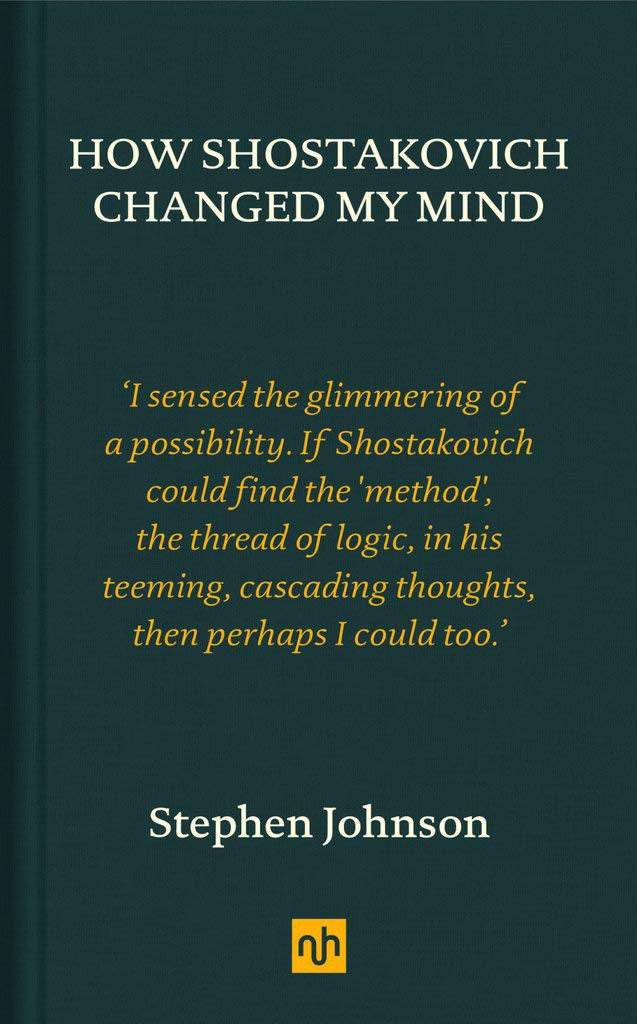
How Shostakovich Changed My Mind | Stephen Johnson
Preț
101 lei
Același preț în ultimele 33 de zile
Prețul nu s-a schimbat de când îl urmărim. Vezi istoricul
la Carturesti
- 15% reducere la prima comandă
- 2% în puncte de fidelitate
- Transport gratuit peste 150 lei
În stoc la Carturesti Prețuri actualizate la 8 octombrie 2026, 15:43
Oferta disponibilă
Prețurile și disponibilitatea sunt preluate automat de la magazine și se pot schimba. Când cumperi printr-un link de pe site, putem primi un comision de la magazin, fără niciun cost în plus pentru tine. Cum funcționează
-
 How Shostakovich Changed My Mind | Stephen Johnson
În stoc
101 lei
Cel mai mic preț
Istoricul prețului
Prețul minim a rămas 101 lei în ultimele 33 de zile.
Descriere
BBC music broadcaster Stephen Johnson explores the power of Shostakovich's music during Stalin's reign of terror, and writes of the extraordinary healing effect of music on sufferers of mental illness. Johnson looks at neurological, psychotherapeutic and philosophical findings, and reflects on his own experience, where he believes Shostakovich's music helped him survive the trials and assaults of bipolar disorder.'There's something about hearing your most painful emotions transformed into something beautiful...' The old Russian who uttered those words spoke for countless fellow survivors of Stalin's reign of terror. And the 'something beautiful' he had in mind was the music of Dmitri Shostakovich.Yet there is no escapism, no false consolation in Shostakovich's greatest music: this is some of the darkest, saddest, at times bitterest music ever composed. So why do so many feel grateful to Shostakovich for having created it - not just Russians, but westerners like Stephen Johnson, brought up in a very different, far safer kind of society? How is it that music that reflects pain, fear and desolation can help sufferers find - if not a way out, then a way to bear these feelings and ultimately rediscover pleasure in existence? Johnson draws on interviews with the members of the orchestra who performed Shostakovich's Leningrad Symphony during the siege of Leningrad, during which almost a third of the population starved to death. In the end, this book is a reaffirmation of a kind of humanist miracle: that hope could be reborn in a time when, to quote the writer Nadezhda Mandelstam, there was only 'Hope against Hope'.
Descrierea este preluată de la magazin.


