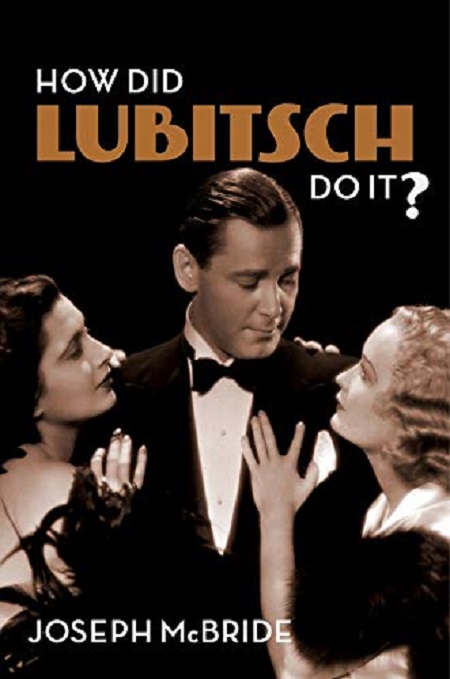
How Did Lubitsch Do It? | Joseph McBride
Preț
128 lei
Același preț în ultimele 30 de zile
Prețul nu s-a schimbat de când îl urmărim. Vezi istoricul
la Carturesti
- 15% reducere la prima comandă
- 2% în puncte de fidelitate
- Transport gratuit peste 150 lei
În stoc la Carturesti Prețuri actualizate la 8 octombrie 2026, 15:43
Oferta disponibilă
Prețurile și disponibilitatea sunt preluate automat de la magazine și se pot schimba. Când cumperi printr-un link de pe site, putem primi un comision de la magazin, fără niciun cost în plus pentru tine. Cum funcționează
-
 How Did Lubitsch Do It? | Joseph McBride
În stoc
128 lei
Cel mai mic preț
Istoricul prețului
Prețul minim a rămas 128 lei în ultimele 30 de zile.
Descriere
Orson Welles called Ernst Lubitsch (1892-1947) "a giant" whose "talent and originality are stupefying." Jean Renoir said, "He invented the modern Hollywood." Celebrated for his distinct style and credited with inventing the classic genre of the Hollywood romantic comedy and helping to create the musical, Lubitsch won the admiration of his fellow directors, including Alfred Hitchcock and Billy Wilder, whose office featured a sign on the wall asking, "How would Lubitsch do it?" Despite the high esteem in which Lubitsch is held, as well as his unique status as a leading filmmaker in both Germany and the United States, today he seldom receives the critical attention accorded other major directors of his era. How Did Lubitsch Do It? restores Lubitsch to his former stature in the world of cinema. Joseph McBride analyzes Lubitsch's films in rich detail in the first in-depth critical study to consider the full scope of his work and its evolution in both his native and adopted lands. McBride explains the "Lubitsch Touch" and shows how the director challenged American attitudes toward romance and sex. Expressed obliquely, through sly innuendo, Lubitsch's risque, sophisticated, continental humor engaged the viewer's intelligence while circumventing the strictures of censorship in such masterworks as The Marriage Circle, Trouble in Paradise, Design for Living, Ninotchka, The Shop Around the Corner, and To Be or Not to Be. McBride's analysis of these films brings to life Lubitsch's wit and inventiveness and offers revealing insights into his working methods.
Descrierea este preluată de la magazin.