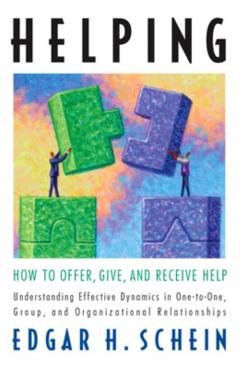
Helping - Edgar Schein
Cod EAN 9781605098562
Preț
139,22 lei
154,69 lei
−10%
Fără reducere reală
Cel mai mic preț din cele 9 zile dinainte de 22 octombrie 2026 a fost 123,75 lei, mai mic decât acum. Reducerea de −10% e calculată față de prețul vechi afișat de magazin (154,69 lei).
Peste prețul mediu din ultimele 24 de zile
Media: 138 lei. Cel mai mic preț a fost 123,75 lei, ultima dată pe 21 octombrie 2026; acum e cu 13% mai mult. Vezi istoricul
la Libris
- Transport gratuit peste 135 lei
- Cupon de 10% la abonarea la newsletter
- Retur extins la 30 de zile
În stoc la Libris Prețuri actualizate la 22 octombrie 2026, 16:15
Oferta disponibilă
Prețurile și disponibilitatea sunt preluate automat de la magazine și se pot schimba. Când cumperi printr-un link de pe site, putem primi un comision de la magazin, fără niciun cost în plus pentru tine. Cum funcționează
-
 Helping - Edgar Schein
În stoc
139,22 lei
Cel mai mic preț înainte
154,69 lei
Istoricul prețului
| Perioada | Cel mai mic | Cel mai mare | Prețul mediu | Scăderi |
|---|---|---|---|---|
| De când îl urmărim (24 de zile) | 123,75 lei | 139,22 lei | 138 lei | 1 |
Vezi schimbările de preț
| Din data | Cel mai mic preț |
|---|---|
| 22 octombrie 2026 | 139,22 lei |
| 20 octombrie 2026 | 123,75 lei |
| 13 octombrie 2026 | 139,22 lei |
Descriere
Helping is a fundamental human activity, but it can also be a frustrating one. All too often, to our bewilderment, our sincere offers of help are resented, resisted, or refused--and we often react the same way when people try to help us. Why is it so difficult to provide or accept help? How can we make the whole process easier? In this seminal book on the topic, corporate culture and organizational development guru Ed Schein analyzes the social and psychological dynamics common to all types of helping relationships, explains why help is often not helpful, and shows what any would-be helpers must do to ensure that their assistance is both welcomed and genuinely useful. The moment of asking for and offering help is a delicate and complex one, fraught with inequities and ambiguities. Schein helps us navigate that moment so we avoid potential pitfalls, mitigate power imbalances, and establish a solid foundation of trust. He identifies three roles a helper can play, explaining which one is nearly always the best starting point if we are to provide truly effective help. So that readers can determine exactly what kind of help is needed, he describes an inquiry process that puts the helper and the recipient on an equal footing. These dynamics not only apply to all kinds of one-on-one helping in personal and professional relationships, teaching, social work, and medicine but also can be usefully applied to teamwork and to organizational leadership. Using examples from many types of relationships--doctors and patients, consultants and clients, husbands and wives--Ed Schein offers a concise, definitive analysis of what it takes to establish successful, mutually satisfying helping relationships. \n
Descrierea este preluată de la magazin.