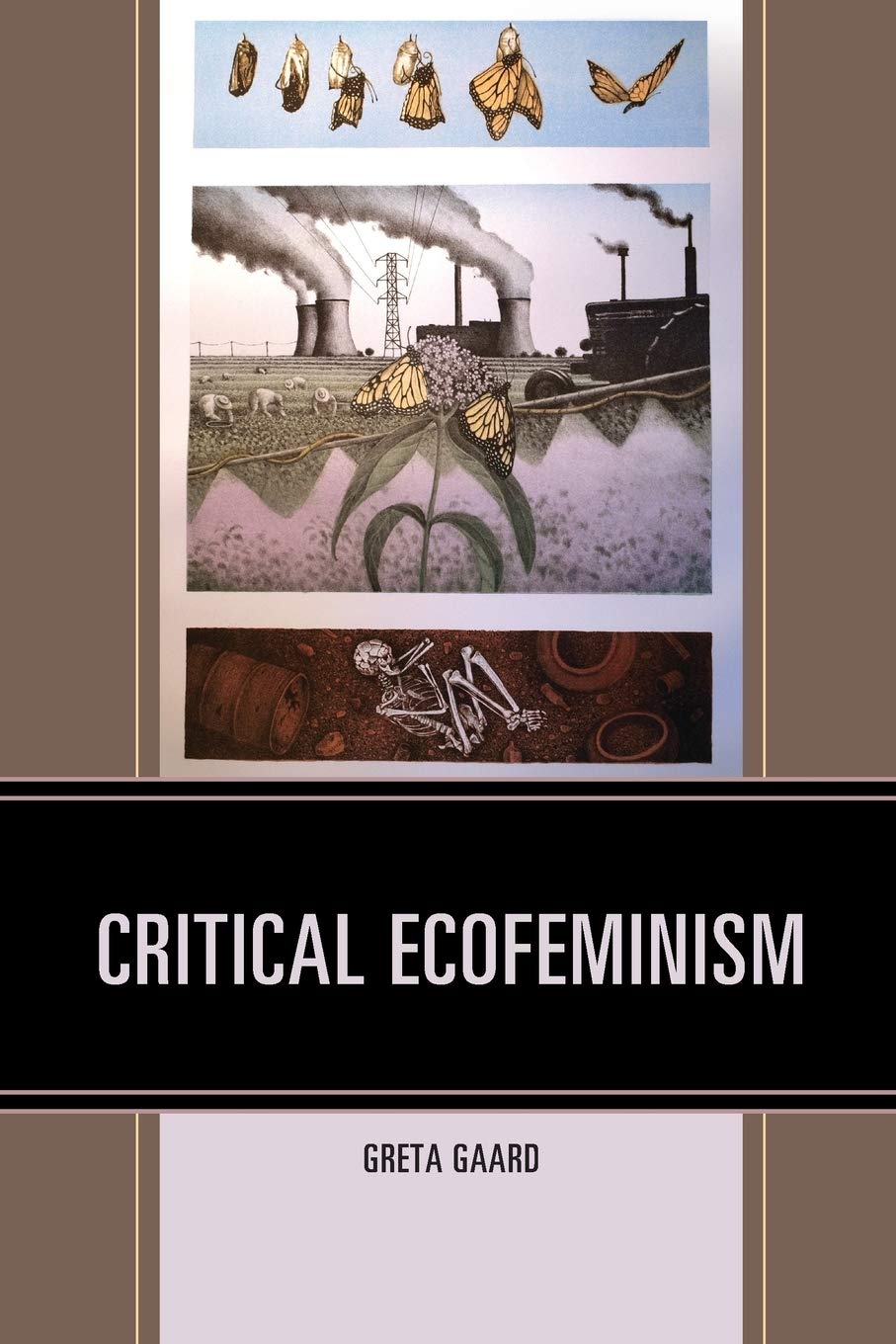
Critical Ecofeminism | Greta Gaard
Preț
276 lei
Același preț în ultimele 31 de zile
Prețul nu s-a schimbat de când îl urmărim. Vezi istoricul
la Carturesti
- 15% reducere la prima comandă
- 2% în puncte de fidelitate
- Transport gratuit peste 150 lei
În stoc la Carturesti Prețuri actualizate la 8 octombrie 2026, 15:43
Oferta disponibilă
Prețurile și disponibilitatea sunt preluate automat de la magazine și se pot schimba. Când cumperi printr-un link de pe site, putem primi un comision de la magazin, fără niciun cost în plus pentru tine. Cum funcționează
-
 Critical Ecofeminism | Greta Gaard
În stoc
276 lei
Cel mai mic preț
Istoricul prețului
Prețul minim a rămas 276 lei în ultimele 31 de zile.
Descriere
Australian feminist philosopher Val Plumwood coined the term "critical ecofeminism" to "situate humans in ecological terms and non-humans in ethical terms," for "the two tasks are interconnected, and cannot be addressed properly in isolation from each other." Variously using the terms "critical ecological feminism," "critical anti-dualist ecological feminism," and "critical ecofeminism," Plumwood's work developed amid a range of perspectives describing feminist intersections with ecopolitical issues-i.e., toxic production and toxic wastes, indigenous sovereignty, global economic justice, species justice, colonialism and dominant masculinity. Well over a decade before the emergence of posthumanist theory and the new materialisms, Plumwood's critical ecofeminist framework articulates an implicit posthumanism and respect for the animacy of all earthothers, exposing the linkages among diverse forms of oppression, and providing a theoretical basis for further activist coalitions and interdisciplinary scholarship. Had Plumwood lived another ten years, she might have described her work as "Anthropocene Ecofeminism," "Critical Material Ecofeminism," "Posthumanist Anticolonial Ecofeminism"-all of these inflections are present in her work. Here, Critical Ecofeminism advances upon Plumwood's intellectual, activist, and scholarly work by exploring its implications for a range of contemporary perspectives and issues--critical animal studies, plant studies, sustainability studies, environmental justice, climate change and climate justice, masculinities and sexualities. With the insights available through a critical ecofeminism, these diverse eco-justice perspectives become more robust.
Descrierea este preluată de la magazin.