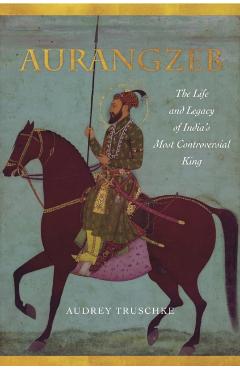
Aurangzeb
Cod EAN 9781503602571
Preț
143,22 lei
159,13 lei
−10%
Fără reducere reală
Cel mai mic preț din cele 9 zile dinainte de 22 octombrie 2026 a fost 127,30 lei, mai mic decât acum. Reducerea de −10% e calculată față de prețul vechi afișat de magazin (159,13 lei).
Peste prețul mediu din ultimele 24 de zile
Media: 142 lei. Cel mai mic preț a fost 127,30 lei, ultima dată pe 21 octombrie 2026; acum e cu 13% mai mult. Vezi istoricul
la Libris
- Transport gratuit peste 135 lei
- Cupon de 10% la abonarea la newsletter
- Retur extins la 30 de zile
În stoc la Libris Prețuri actualizate la 22 octombrie 2026, 16:15
Oferta disponibilă
Prețurile și disponibilitatea sunt preluate automat de la magazine și se pot schimba. Când cumperi printr-un link de pe site, putem primi un comision de la magazin, fără niciun cost în plus pentru tine. Cum funcționează
-
 Aurangzeb
În stoc
143,22 lei
Cel mai mic preț înainte
159,13 lei
Istoricul prețului
| Perioada | Cel mai mic | Cel mai mare | Prețul mediu | Scăderi |
|---|---|---|---|---|
| De când îl urmărim (24 de zile) | 127,30 lei | 143,22 lei | 142 lei | 1 |
Vezi schimbările de preț
| Din data | Cel mai mic preț |
|---|---|
| 22 octombrie 2026 | 143,22 lei |
| 20 octombrie 2026 | 127,30 lei |
| 13 octombrie 2026 | 143,22 lei |
Descriere
The Mughal emperor Aurangzeb Alamgir is one of the most hated men in Indian history. Widely reviled as a religious fanatic who sought to violently oppress Hindus, he is even blamed by some for setting into motion conflicts that would result in the creation of a separate Muslim state in South Asia. In her lively overview of his life and influence, Audrey Truschke offers a clear-eyed perspective on the public debate over Aurangzeb and makes the case for why his often-maligned legacy deserves to be reassessed. \n \n \n Aurangzeb was arguably the most powerful and wealthiest ruler of his day. His nearly 50-year reign (1658-1707) had a profound influence on the political landscape of early modern India, and his legacy-real and imagined-continues to loom large in India and Pakistan today. Truschke evaluates Aurangzeb not by modern standards but according to the traditions and values of his own time, painting a picture of Aurangzeb as a complex figure whose relationship to Islam was dynamic, strategic, and sometimes contradictory. This book invites students of South Asian history and religion into the world of the Mughal Empire, framing the contemporary debate on Aurangzeb's impact and legacy in accessible and engaging terms. \n
Descrierea este preluată de la magazin.