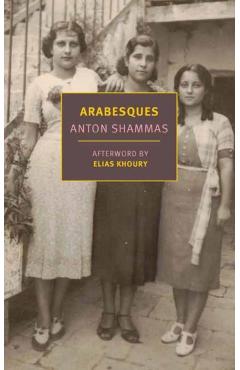
Arabesques - Anton Shammas
Cod EAN 9781681376929
Preț
110,10 lei
122,33 lei
−10%
Fără reducere reală
Cel mai mic preț din cele 9 zile dinainte de 22 octombrie 2026 a fost 97,86 lei, mai mic decât acum. Reducerea de −10% e calculată față de prețul vechi afișat de magazin (122,33 lei).
Peste prețul mediu din ultimele 25 de zile
Media: 109 lei. Cel mai mic preț a fost 97,86 lei, ultima dată pe 21 octombrie 2026; acum e cu 13% mai mult. Vezi istoricul
la Libris
- Transport gratuit peste 135 lei
- Cupon de 10% la abonarea la newsletter
- Retur extins la 30 de zile
În stoc la Libris Prețuri actualizate la 22 octombrie 2026, 16:15
Oferta disponibilă
Prețurile și disponibilitatea sunt preluate automat de la magazine și se pot schimba. Când cumperi printr-un link de pe site, putem primi un comision de la magazin, fără niciun cost în plus pentru tine. Cum funcționează
-
 Arabesques - Anton Shammas
În stoc
110,10 lei
Cel mai mic preț înainte
122,33 lei
Istoricul prețului
| Perioada | Cel mai mic | Cel mai mare | Prețul mediu | Scăderi |
|---|---|---|---|---|
| De când îl urmărim (25 de zile) | 97,86 lei | 110,10 lei | 109 lei | 1 |
Vezi schimbările de preț
| Din data | Cel mai mic preț |
|---|---|
| 22 octombrie 2026 | 110,10 lei |
| 20 octombrie 2026 | 97,86 lei |
| 13 octombrie 2026 | 110,10 lei |
Descriere
\nA luminous, inventive, and deeply personal exploration of living in the liminal space between Jewish and Arab, ancient and modern, by a gifted Palestinian writer. \nChosen by The New York Times as one of the best books of 1988, Arabesques is a luminous novel that engages with history and politics not as propaganda but as literature. That engagement begins with the language in which the book is written: Anton Shammas, from a Palestinian Christian family and raised in Israel, wrote in Hebrew, as no Arab novelist had before. The choice was provocative to both Arab and Jewish readers. \n \nArabesques is divided into two sections: The Tale and The Teller. The Tale tells of several generations of family life in a rural village, of the interplay of past and present, of how memory intersects with history in a part of the world where different people have both lived together and struggled against each other for centuries. The Teller is about the writer's voyage out of that world to Paris and the United States, as he comes into his vocation as a writer, and raises questions about the authority of the storyteller and the nature of the self. Shammas's tour de force is both a personal and a political narrative--a reinvention of the novel as a way of envisioning and responding to historical and cultural legacies and conflicts.\n
Descrierea este preluată de la magazin.