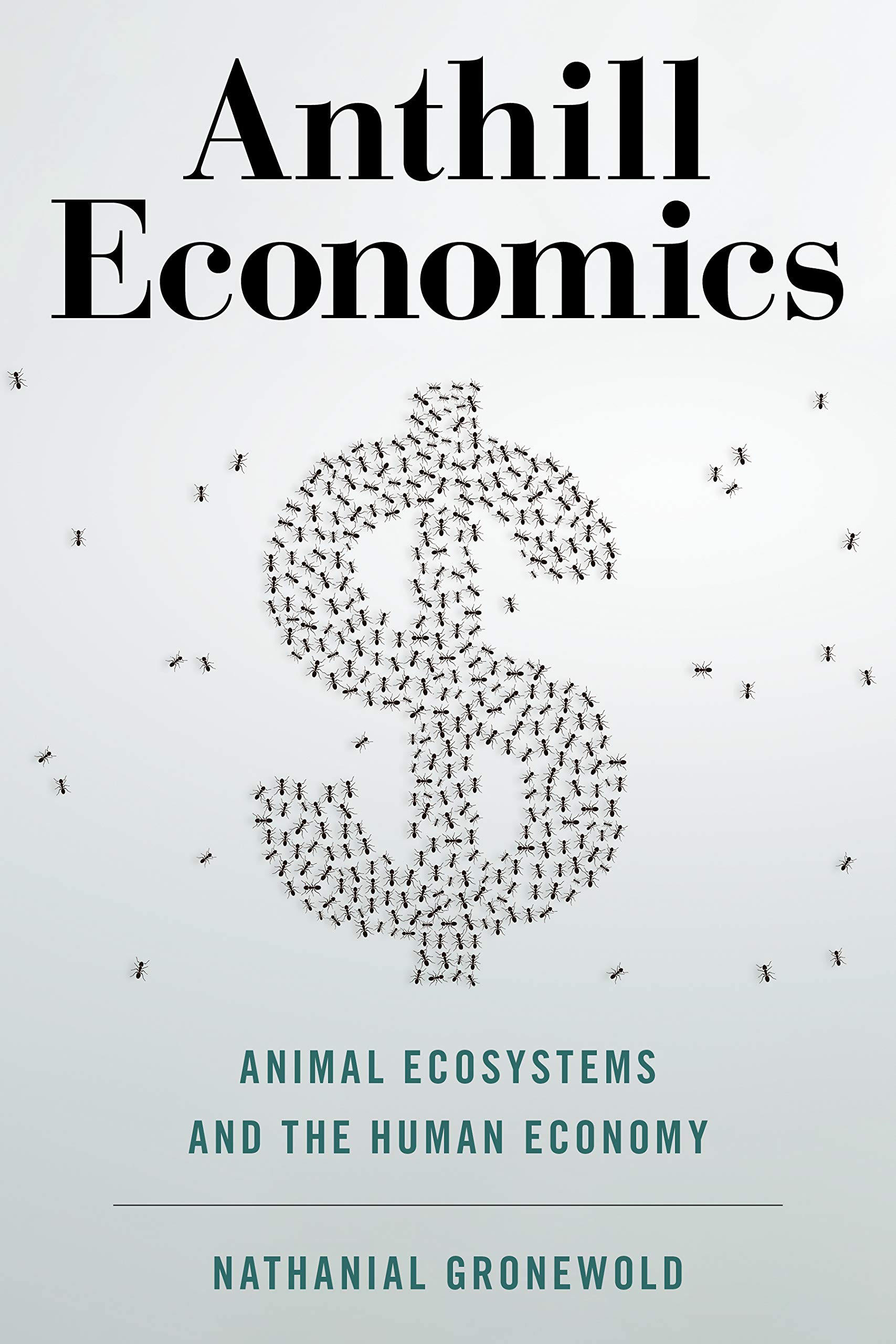
Anthill Economics | Nathanial Gronewold
Preț
145 lei
Același preț în ultimele 34 de zile
Prețul nu s-a schimbat de când îl urmărim. Vezi istoricul
la Carturesti
- 15% reducere la prima comandă
- 2% în puncte de fidelitate
- Transport gratuit peste 150 lei
În stoc la Carturesti Prețuri actualizate la 8 octombrie 2026, 15:43
Oferta disponibilă
Prețurile și disponibilitatea sunt preluate automat de la magazine și se pot schimba. Când cumperi printr-un link de pe site, putem primi un comision de la magazin, fără niciun cost în plus pentru tine. Cum funcționează
-
 Anthill Economics | Nathanial Gronewold
În stoc
145 lei
Cel mai mic preț
Istoricul prețului
Prețul minim a rămas 145 lei în ultimele 34 de zile.
Descriere
Does modern economic theory violate some basic, fundamental laws of physics? That is the question that award-winning environmental and energy writer Nathanial Gronewold sets out to answer in Anthill Economics.Gronewold points out that the modern school of economics is missing a significant piece of the puzzle: energy. And not just oil, or natural gas or wind power, but rather the fundamental importance of energy in transforming matter into food, shelter, and material possessions. Ecologists have been using the principles of biophysics population density, energy return on investment, and habitation patterns to study ecosystems for centuries. But what if those same principles hold the key to the global human economy? After all, at its core, the global economy is simply humanity s ecosystem.Anthill Economics puts forth an innovative and cross-disciplinary approach, asserting that biophysical laws are just as fundamental to the global economy as they are to zoology and entomology. The rollercoaster-like rise and fall of caribou population on a remote island can teach us about resource allocation and global inequality. The behavior of squirrels gathering nuts is a lesson in economic energy return on investment and wage stagnation. Could human traffic patterns mimic the daily pulse of ants in the forests marching in and out of their own central business districts? And, will global warming change these patterns for humans and insects alike?
Descrierea este preluată de la magazin.